Ensuring ADA (Americans with Disabilities Act) compliance in commercial properties is not just a legal obligation; it’s a commitment to inclusivity and accessibility for all individuals. For property owners and managers, understanding the requirements of ADA compliance is essential for creating a welcoming environment for customers and employees alike. In this article, we will explore the importance of ADA compliance in commercial property maintenance and provide practical steps to achieve it.
Understanding ADA Compliance
The ADA was enacted in 1990 to prohibit discrimination against individuals with disabilities in all areas of public life, including jobs, schools, transportation, and all public and private places open to the general public. For commercial properties, this means ensuring that facilities are accessible to everyone, regardless of their physical abilities.
Key Areas of ADA Compliance
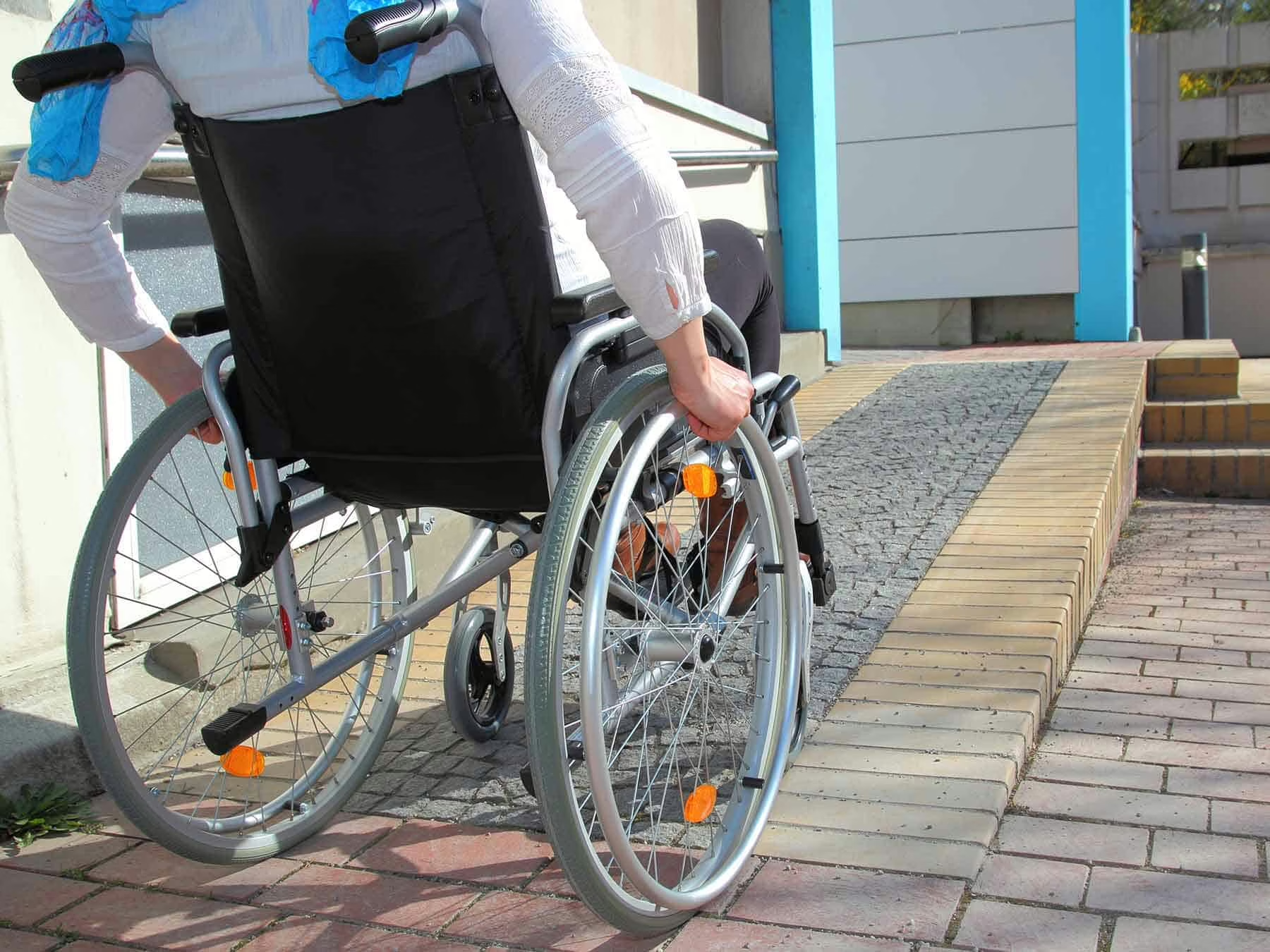
- Entrances and Exits: All entrances and exits must be accessible. This includes having ramps, automatic doors, and clear signage indicating accessible routes. Property owners should regularly inspect these areas to ensure they meet ADA standards.
- Restrooms: Restroom facilities must be equipped with accessible stalls, grab bars, and usable sinks for individuals in wheelchairs. Regular maintenance checks should ensure that these facilities are clean and functional.
- Parking: Designated accessible parking spaces must be available close to the building entrance. These spaces should be clearly marked and maintained to ensure they are free of obstructions.
- Pathways and Hallways: All paths within the property should be wide enough to accommodate wheelchairs and free of obstacles. Regular maintenance should include clearing pathways of debris and ensuring that the flooring is even and safe.
- Elevators: If a building has multiple floors, elevators must be accessible and equipped with features such as Braille buttons and audio announcements. Regular inspections should ensure that elevators are functioning correctly.
Benefits of ADA Compliance
- Legal Protection: Ensuring compliance with ADA regulations protects property owners from potential lawsuits and fines. Non-compliance can lead to costly legal battles and damage to a business’s reputation.
- Increased Customer Base: By making properties accessible, companies can attract a broader range of customers, including those with disabilities and their families. This inclusivity can lead to increased sales and customer loyalty.
- Enhanced Employee Satisfaction: An accessible workplace fosters a positive environment for all employees, including those with disabilities. This can lead to higher job satisfaction and retention rates.
- Community Reputation: Businesses that prioritize accessibility demonstrate a commitment to social responsibility, enhancing their reputation within the community.
Practical Steps for Achieving ADA Compliance
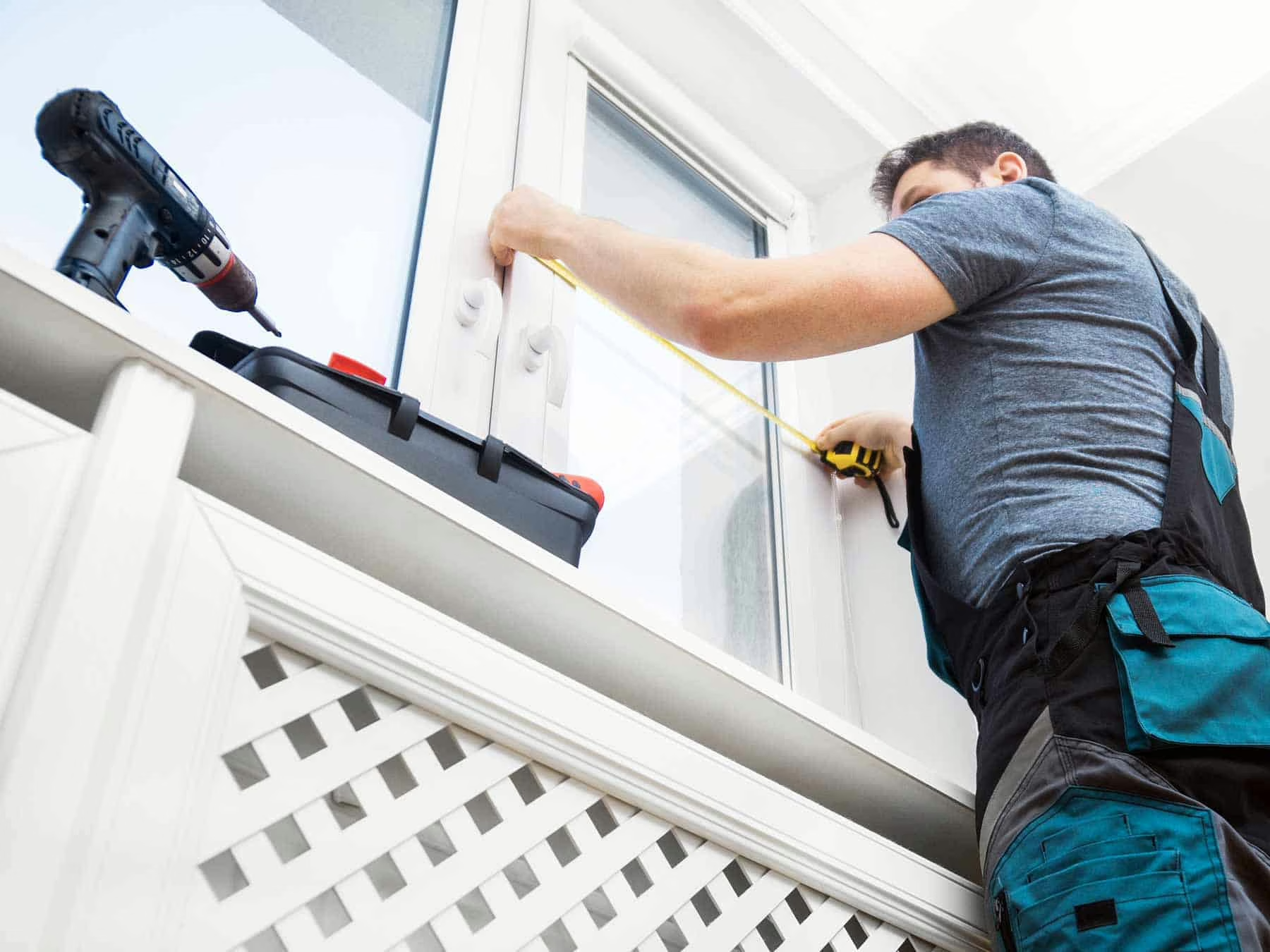
- Conduct an Accessibility Audit: Regularly assess your property for ADA compliance. This can involve hiring a professional, such as Big-Iron Properties, to evaluate your facilities and identify areas needing improvement.
- Implement Upgrades: Based on the audit findings, prioritize necessary upgrades. This may include installing ramps, updating restrooms, or improving signage.
- Train staff on ADA compliance and the importance of accessibility. Training can help staff assist customers with disabilities effectively.
- Stay Informed: ADA regulations can change, so it’s essential to stay up to date on any new requirements. Regularly review resources from the ADA National Network or local government agencies.
an inclusive environment for all individuals
ADA compliance in commercial property maintenance is essential for creating an inclusive environment for all individuals. By understanding the requirements and implementing necessary changes, property owners can ensure their facilities are accessible, enhance their reputation, and contribute positively to the community. Prioritizing ADA compliance is not just about meeting legal obligations; it’s about fostering a culture of inclusivity and respect for everyone.
For more information on ensuring your commercial property is ADA compliant, please get in touch with us and let us develop a solution tailored to your specific needs.